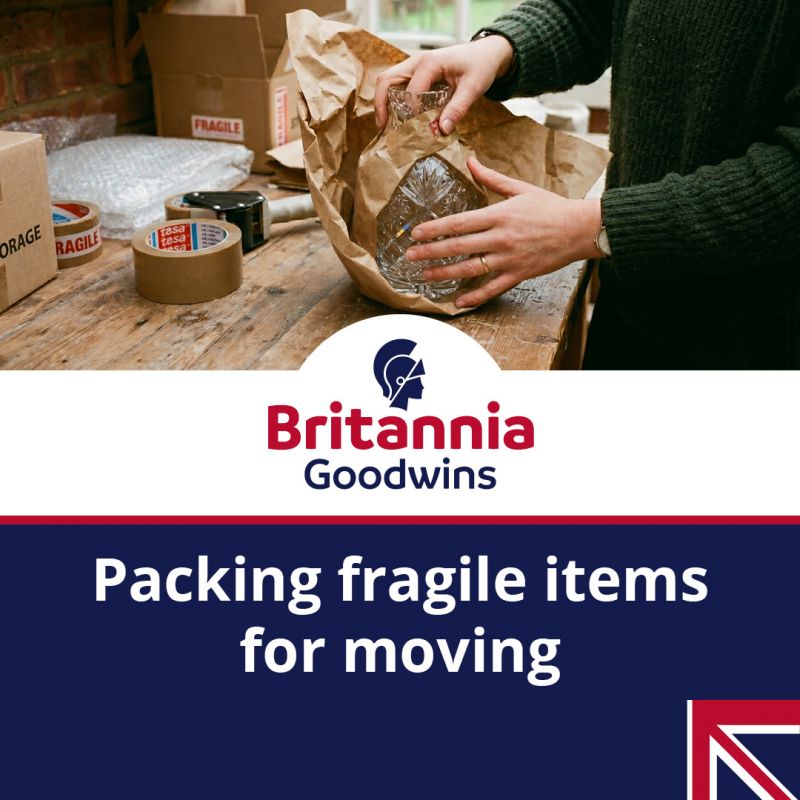
Packing Fragile Items for Your Home Move in Staffordshire
Thu 14th May 2026Moving home is an exciting milestone, but it also comes with its fair share of challenges. One of the most nerve-wracking tasks is packing fragile items safely. From glassware and crockery to ornaments and sentimental keepsakes, these are often the belongings we value most, and the ones most likely to be damaged during a move.
With the right approach, materials, and a bit of patience, you can significantly reduce the risk of breakages and ensure your treasured items arrive safely at your new home. When planning your home move in Staffordshire, fragile items could be a real concern. Here are some top tips for making it to your new house in one piece!
Start with the Right Packing Materials
Before you begin packing anything fragile, it’s essential to gather the correct materials. Cutting corners here can lead to costly damage later on.
You’ll need:
-
Strong double-walled cardboard boxes in various sizes
-
Bubble wrap
-
Packing paper or plain newspaper
-
Strong parcel tape
-
Permanent marker pens
-
Optional extras such as cardboard dividers for glassware
It might be tempting to reuse old boxes from shops or deliveries, but these are often weakened and less reliable. Investing in proper packing materials is a small cost compared to the value of what you’re protecting.
Prepare Each Item Carefully
When it comes to fragile belongings, wrapping is everything. Each item should be individually protected before it even goes near a box.
Start by wrapping items in packing paper, then add a layer of bubble wrap for extra cushioning. Delicate items such as glass ornaments or sentimental pieces may benefit from double wrapping.
Avoid the temptation to group items together in wrapping, even if they seem sturdy. Individual protection is key to preventing items knocking against each other during transit.
Packing Glassware and Crockery Properly
Glassware and crockery require a slightly different approach due to their shape and weight distribution.
For plates, always pack them vertically rather than stacking them flat. This reduces pressure and makes them far less likely to crack under weight. Place heavier plates at the bottom of the box and lighter ones towards the top.
Glasses should be wrapped individually, with extra padding around stems and handles. If possible, use cardboard dividers inside boxes to keep each item separate and secure.
Once packed, gently shake the box. If anything moves, fill the gaps with scrunched packing paper until everything is firmly in place.
Fill Empty Spaces to Prevent Movement
One of the most common causes of damage during a move is movement inside the box. Even well-wrapped items can break if they are allowed to shift around.
Every gap inside the box should be filled. Use scrunched paper, bubble wrap, or soft materials like tea towels or clothing for extra cushioning. The aim is to create a snug, stable environment where nothing can move.
Avoid overpacking boxes, however. A heavy, overfilled box is more likely to collapse or be dropped.
Label Everything Clearly
Labelling is often overlooked, but it plays a vital role in protecting fragile items.
Clearly mark every box with:
-
“FRAGILE” in bold lettering on multiple sides
-
“THIS WAY UP” where appropriate
-
A brief description of contents (e.g. Kitchen – Glassware, Living Room – Ornaments)
This helps ensure anyone handling the boxes knows to take extra care, and it also makes unpacking much easier once you arrive.
Pack an Essentials Fragile Box
It’s worth preparing a separate box of fragile essentials that you’ll need immediately when you arrive at your new home. This might include:
-
A few everyday plates and bowls
-
Drinking glasses
-
A kettle or coffee machine
-
Essential kitchen items
Keeping these easily accessible means you won’t need to unpack everything at once after a long moving day.
Take Your Time and Stay Organised
Packing fragile items is not a task to rush. It’s far better to work slowly and methodically, tackling one room at a time, rather than trying to do everything in one go.
If the process starts to feel overwhelming, break it down into smaller steps. Even an hour a day of focused packing can make a big difference.
Final Thoughts
Your fragile items are often more than just possessions. They hold memories, meaning, and sentimental value. Taking the time to pack them properly ensures they are protected throughout your move and arrive safely at your new home.
A careful, structured approach not only reduces the risk of damage but also makes the entire moving experience far less stressful.